
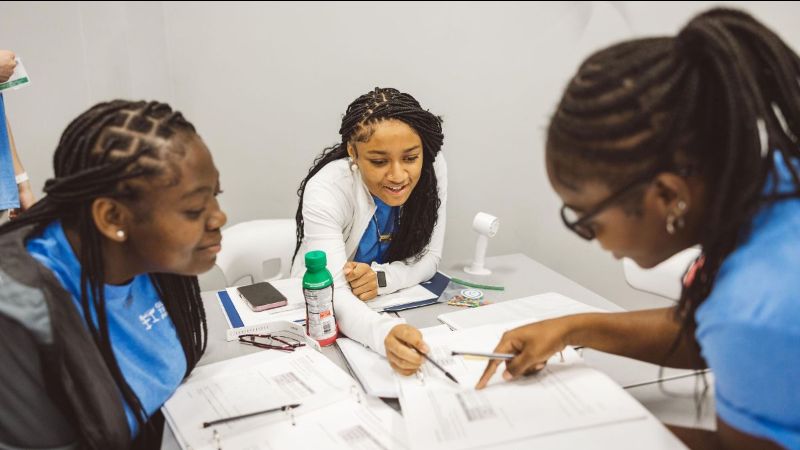
GTP students stand out through AP STEM exam participation and performance
This afternoon, Global Teaching Project high school students from rural Mississippi will take the AP Computer Science Principles exam. Last week, their GTP classmates from across the state took exams for AP Biology, AP Physics 1, and AP Statistics.
By doing so, each of those hundreds of GTP students earned a place among an elite group of students—both in Mississippi and nationwide—that chose to take on the challenge of rigorous AP Science courses and related exams.
Far fewer than one percent of Mississippi high school students took exams in AP Biology, AP Computer Science Principles, AP Physics 1, or AP Statistics in 2025. Just two-tenths of one percent of Mississippi high school students took on the challenge of the particularly formidable AP Physics 1 exam.
We are proud that, in 2025, GTP students achieved AP STEM scores that were among the tops in the state. GTP students were among just 21 students statewide—public or private—to earn the highest possible AP Physics 1 score, and among just 28 students to earn the highest possible AP Computer Science Principles score.
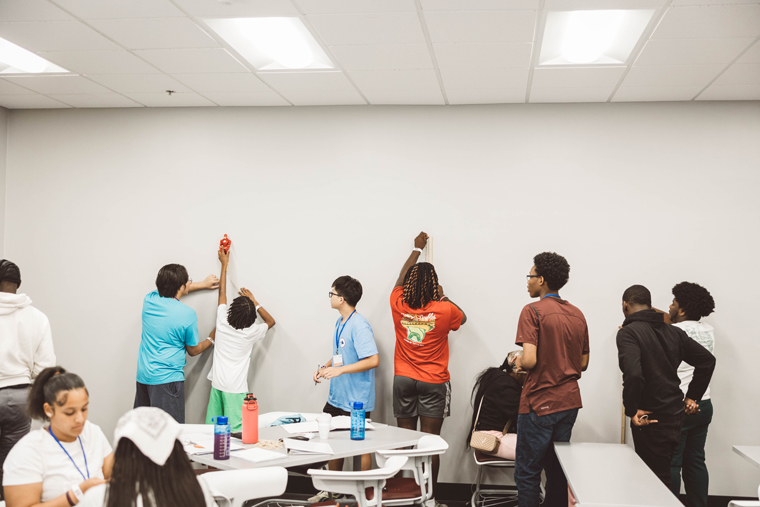
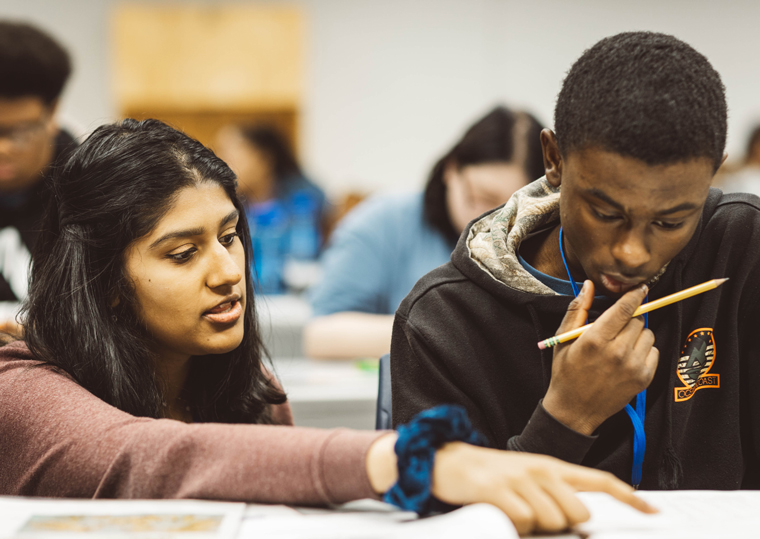
Significantly, numerous GTP students who were among the small number statewide to achieve “qualifying scores” of 3 or higher (that is, scores that qualify the student to earn college credit as a result) reside in some of the state’s (and nation’s) most impoverished communities. School districts served by GTP include 9 of the 15 highest poverty Mississippi districts (of over 130 districts statewide), and students from those districts had some of the state’s top AP STEM exam scores. Before schools in those districts worked with GTP, their students did not even have the opportunity to take, let alone excel at, those AP STEM courses.
Yet scores are not the focus of our program, nor how we primarily measure success. Maximizing scores is simple—just limit a program to students and schools with considerable resources—but doing so would betray our mission of serving communities with the greatest needs.
Instead, we focus on having our students learn, and learn how to learn, a critical skill that will serve them very well in college and beyond. Students who make considerable progress from a modest substantive baseline are very much to be commended, regardless of their scores, and position themselves for success going forward. Considerable research, and our own experience, has amply demonstrated that dynamic.
Good luck to our students on their AP exams. We are proud of what they already have achieved, and look forward to their future successes.

You may also like
New AP Results Highlight the Power of Opportunity